Gatchalian Pledges Integrity While Senator-Judges Contest Impeachment Gavel
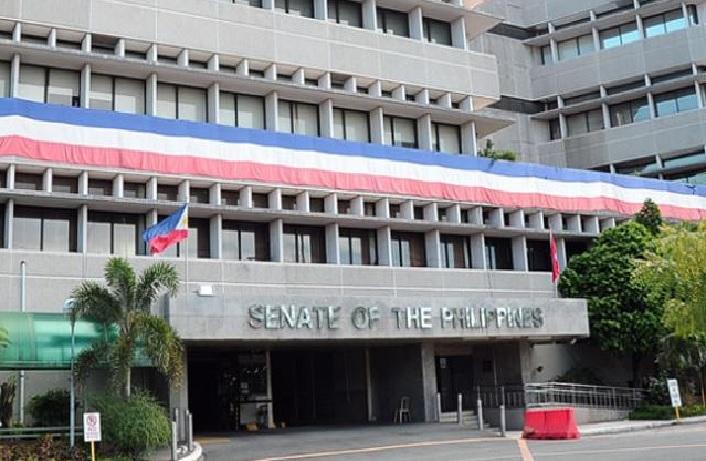
The Philippine Senate opened the impeachment trial of Vice President Sara Duterte on Monday under a cloud of procedural disputes and questions over unity in the chamber, even as Senate President Sherwin Gatchalian vowed to uphold the institution’s integrity. The trial, the first impeachment proceeding against a sitting vice president, began in the afternoon after Gatchalian used a morning flag-raising ceremony to reassure officials and staff that his leadership would be guided by integrity, professionalism, dedication and “leadership by example.” He urged the Senate bureaucracy to continue providing “quality service” despite the political strain brought by the high-stakes process.
Uncertainty continued to hang over the political optics of the trial’s opening day. Gatchalian said earlier he had yet to receive word on whether Duterte herself would appear before the Senate, sitting as an impeachment court. He also said he was “not sure” whether members of the minority bloc would boycott the proceedings, though he noted that minority senators Loren Legarda and Robinhood Padilla had already committed to participate as senator-judges. Framing attendance as a constitutional obligation, Gatchalian encouraged all 24 senators to be present, stressing that the public was waiting for the trial to start so the chamber could eventually return to its regular workload.
Once the impeachment court convened around 2 p.m., the Senate immediately became embroiled in a debate over who should wield the gavel. Gatchalian initially presided and, after his opening statement, moved for the election of a presiding officer, citing impeachment rules that he said were amended without objection during a June 3 session attended by 12 majority senators. Senate Minority Leader Alan Peter Cayetano objected, arguing that the 1987 Constitution clearly designates the Senate President as presiding officer in impeachment trials involving any official other than the President of the Philippines. Other senator-judges, including Kiko Pangilinan and Tito Sotto, countered that because the Constitution only explicitly requires the Chief Justice to preside over a presidential impeachment, Congress has leeway to define presiding arrangements through its own impeachment rules.
The dispute culminated in a vote among the senator-judges, with 12 in favor and 8 against electing Senator Chiz Escudero as presiding officer, following his nomination by Senator Panfilo Lacson. Gatchalian did not participate in the vote. The move underscored the tension between constitutional interpretation and internal Senate procedures, as lawmakers invoked Article XI, Section 3(8) of the Constitution, which empowers Congress to promulgate its own impeachment rules. Even as he ceded the gavel in the impeachment court, Gatchalian emphasized the need for the Senate to quickly balance its trial duties with pressing legislative work, including resuming investigations into a flood control budget scandal and deliberations on the proposed 2027 national budget.
Against this backdrop, Gatchalian sought to project stability and institutional resilience. Speaking to Senate employees, he thanked them for helping ensure the orderly opening of the proceedings and assured them that under his watch, the chamber would not undertake anything that would “damage the institution we all cherish.” He urged senators and staff alike to embrace the four principles he laid out for his leadership to demonstrate that the Senate remains ready to provide “the most effective service” to the country. As the Duterte impeachment trial proceeds, the chamber faces not only the legal and political questions surrounding the case itself, but also an internal test of how it interprets its own rules and navigates divisions while maintaining public confidence.